Salkantay Trek To Machu Picchu + Llactapata Trek 5 Days

Book your next adventure at the best price.
Group Size
Min 2 Persons
Duration
Activity Type
Tour Cultural
Season
All Year
Food
Not included
Physical Level
Easy
Physical Level
Easy
Lodge/Hotel
Easy

Overview

The 5-Day Salkantay Trek offers an extraordinary adventure that combines untouched natural environments, cultural encounters, and physical challenge on your way to Machu Picchu. This route stands as one of the most rewarding alternatives to reach the ancient Inca City, taking you through dramatically different ecosystems while maintaining authentic mountain trekking conditions. Unlike other routes, this experience provides access to several unique locations that showcase both geological diversity and historical importance.

BEST TOUR OPTION
Price from $ 0.00 USD Per Person
s
  • Visit Machupicchu with a professional expert guide.
  • Enjoy a comfortable and safe journey with transport and trains.
  • Use your free time in Aguas Calientes to explore.
  • Make a quick and reliable booking with flexible payments.
  • Ask about essential items and optional services like hotels.

Overview

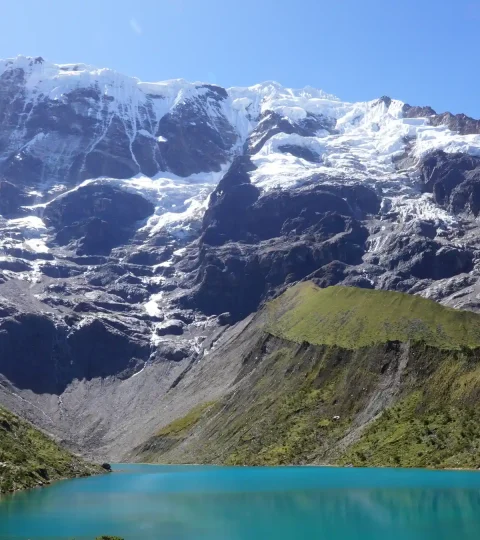
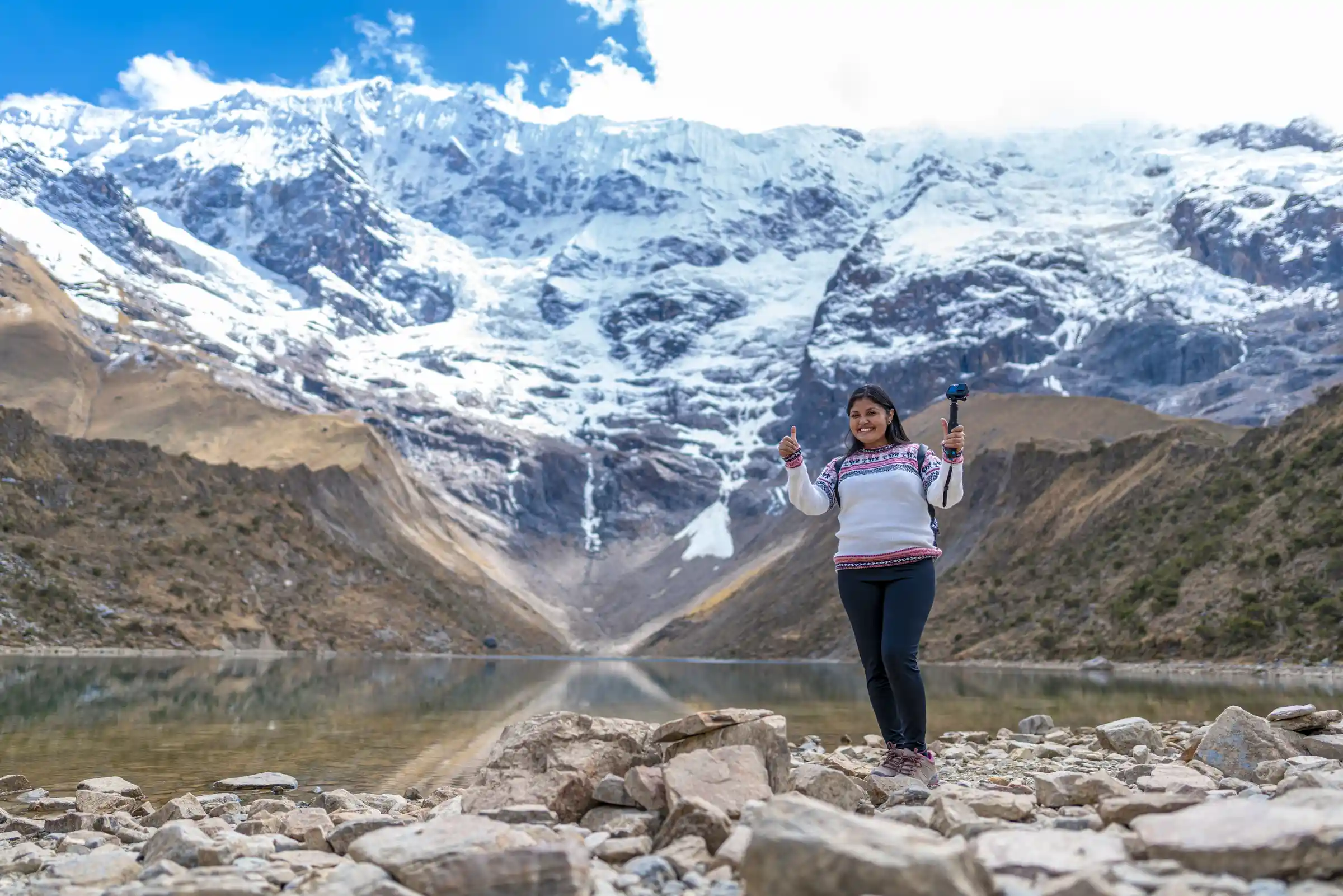
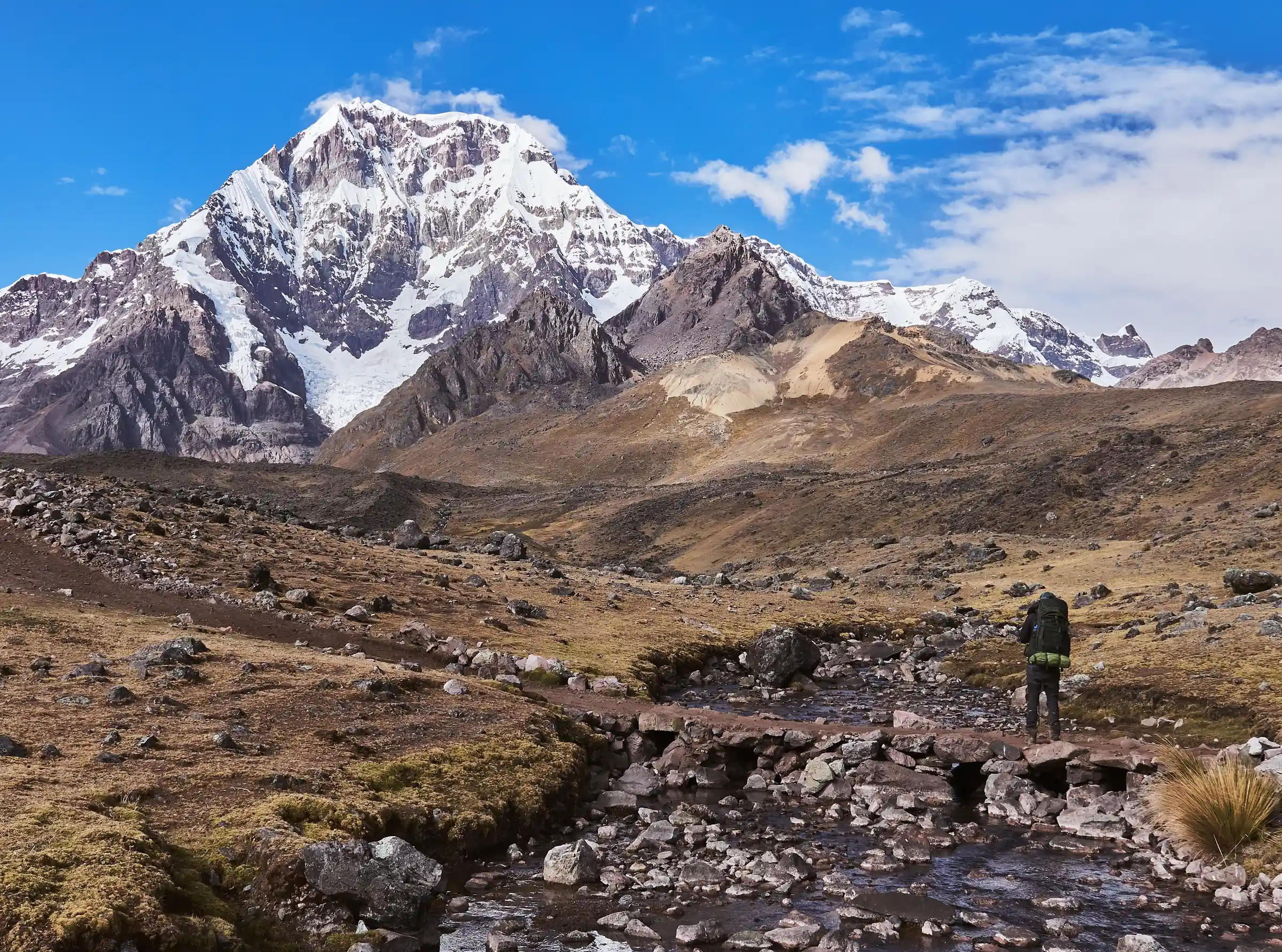
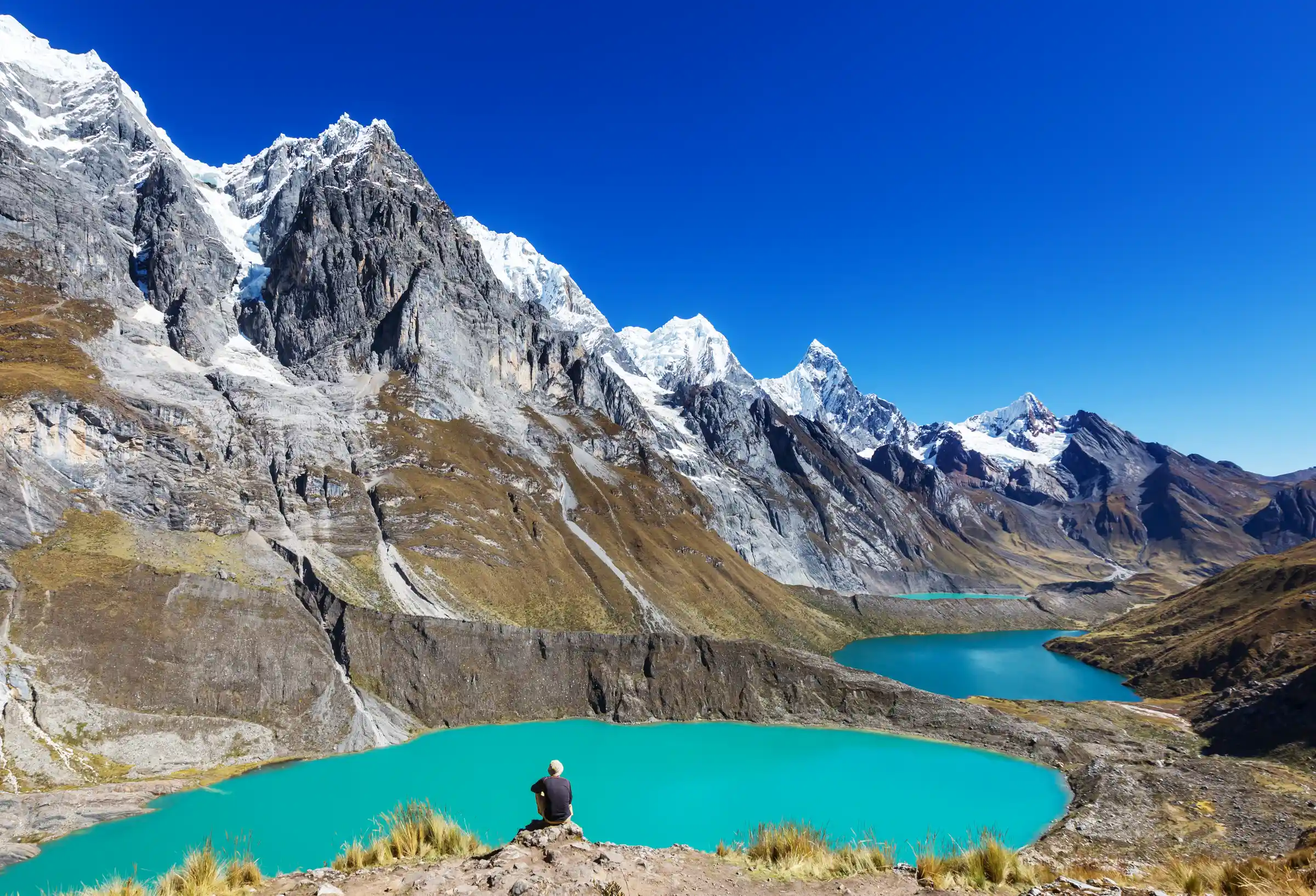
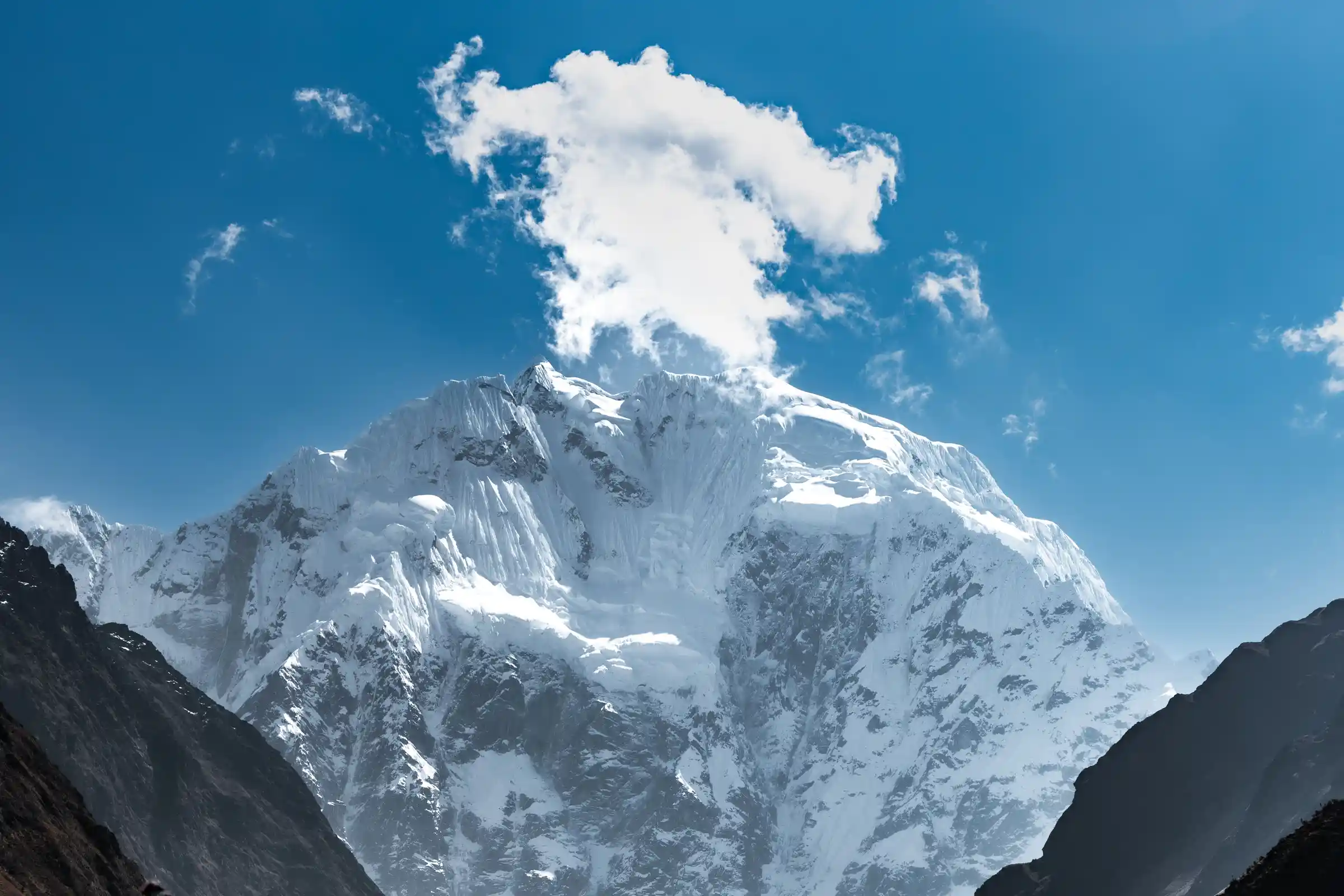
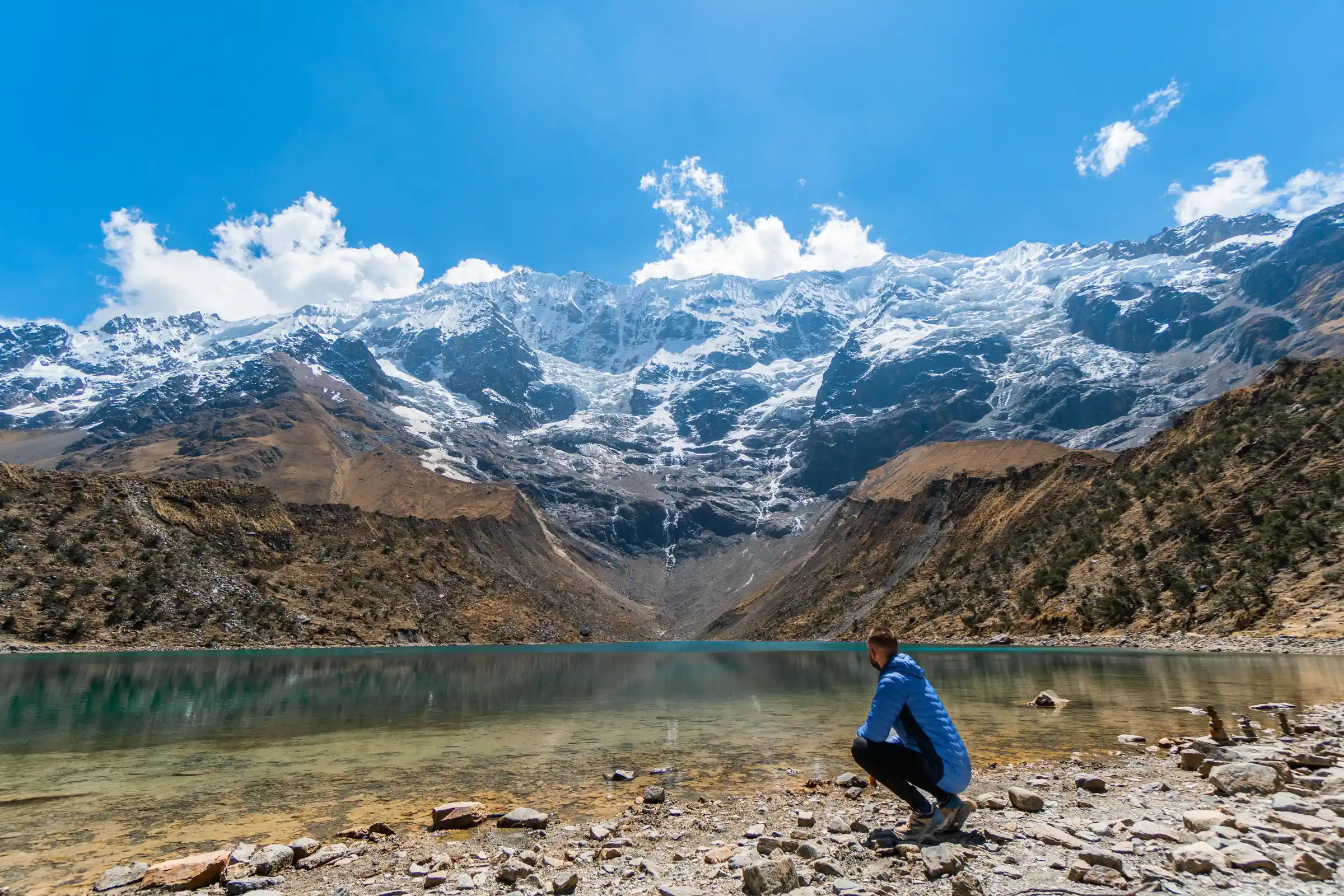
The trek begins with a visit to Humantay Lake, a turquoise water body sitting at 4,200 meters elevation, surrounded by glacial peaks that dominate the Andean landscape. From there, you continue toward the imposing Salkantay Mountain, which reaches 6,271 meters and serves as one of the most sacred peaks in Andean cosmology. The ascent to Salkantay Pass at 4,700 meters represents the physical pinnacle of the entire route, offering unobstructed views of snow-covered summits and deep valleys that extend toward the Amazon basin.

As you descend from the high mountains, the environment transforms completely. The arid, cold highlands give way to the lush Lucmabamba Valley, where subtropical conditions support coffee cultivation and diverse vegetation. Here you’ll participate in a hands-on coffee experience with local families who maintain traditional cultivation methods passed down through generations. This cultural interaction provides direct insight into agricultural practices that define the regional economy and daily life in these mountain communities.

The route includes a night at our exclusive accommodations featuring panoramic cabins and Star Domes – crystal-clear geodesic structures that allow you to observe the southern hemisphere’s night sky without leaving your sleeping area. This overnight experience in Lucmabamba combines comfort with immersion in the natural surroundings, creating a memorable contrast to the more rustic camping conditions of previous nights.

On the fourth day, you’ll hike along an original Inca trail section to reach Llactapata, an archaeological site that remains less visited than other locations in the region. From Llactapata, you gain a unique perspective of Machu Picchu across the valley – a viewpoint that few travelers experience. The Inca constructions at Llactapata demonstrate sophisticated terracing and water management systems that characterize Inca engineering throughout this territory.

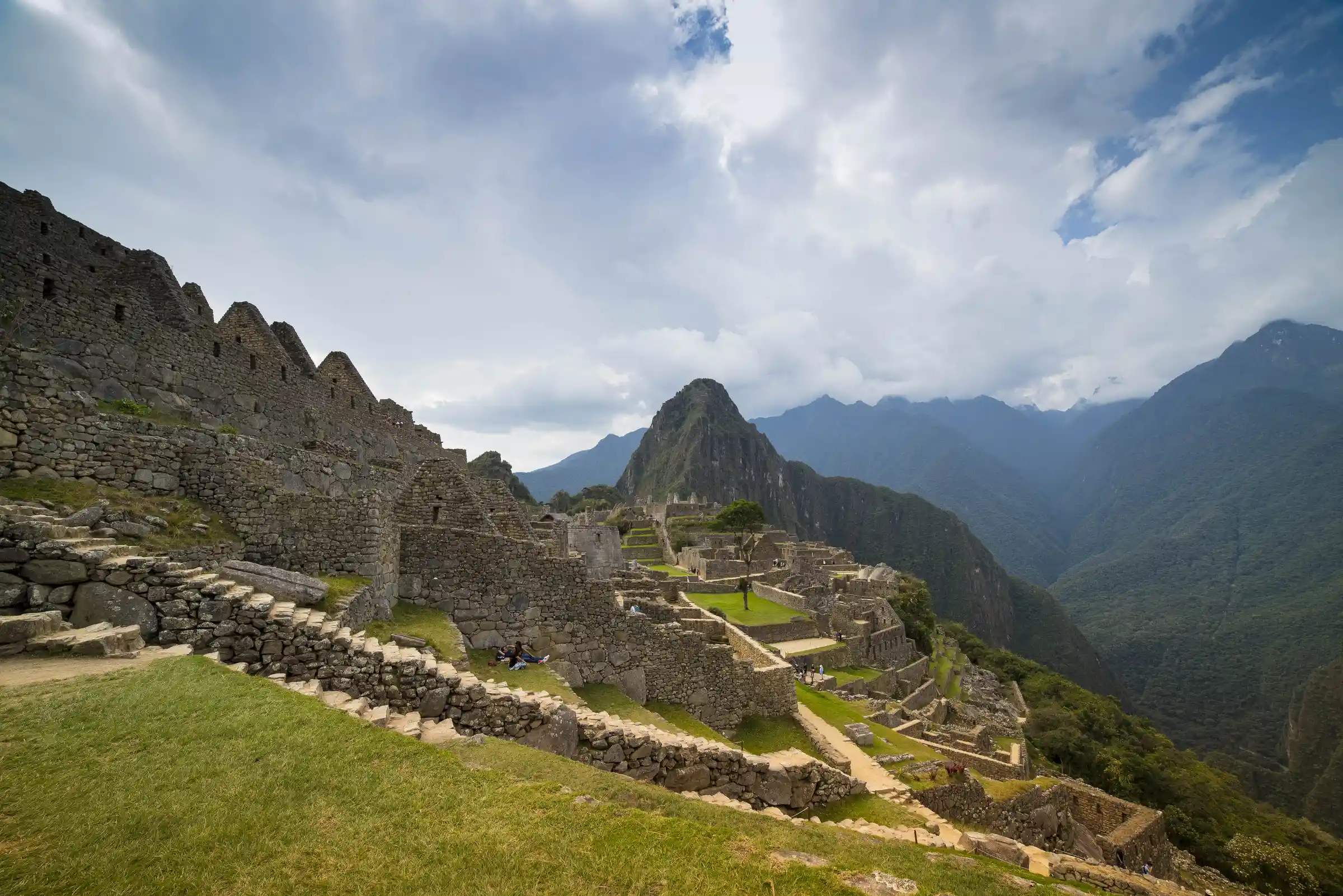
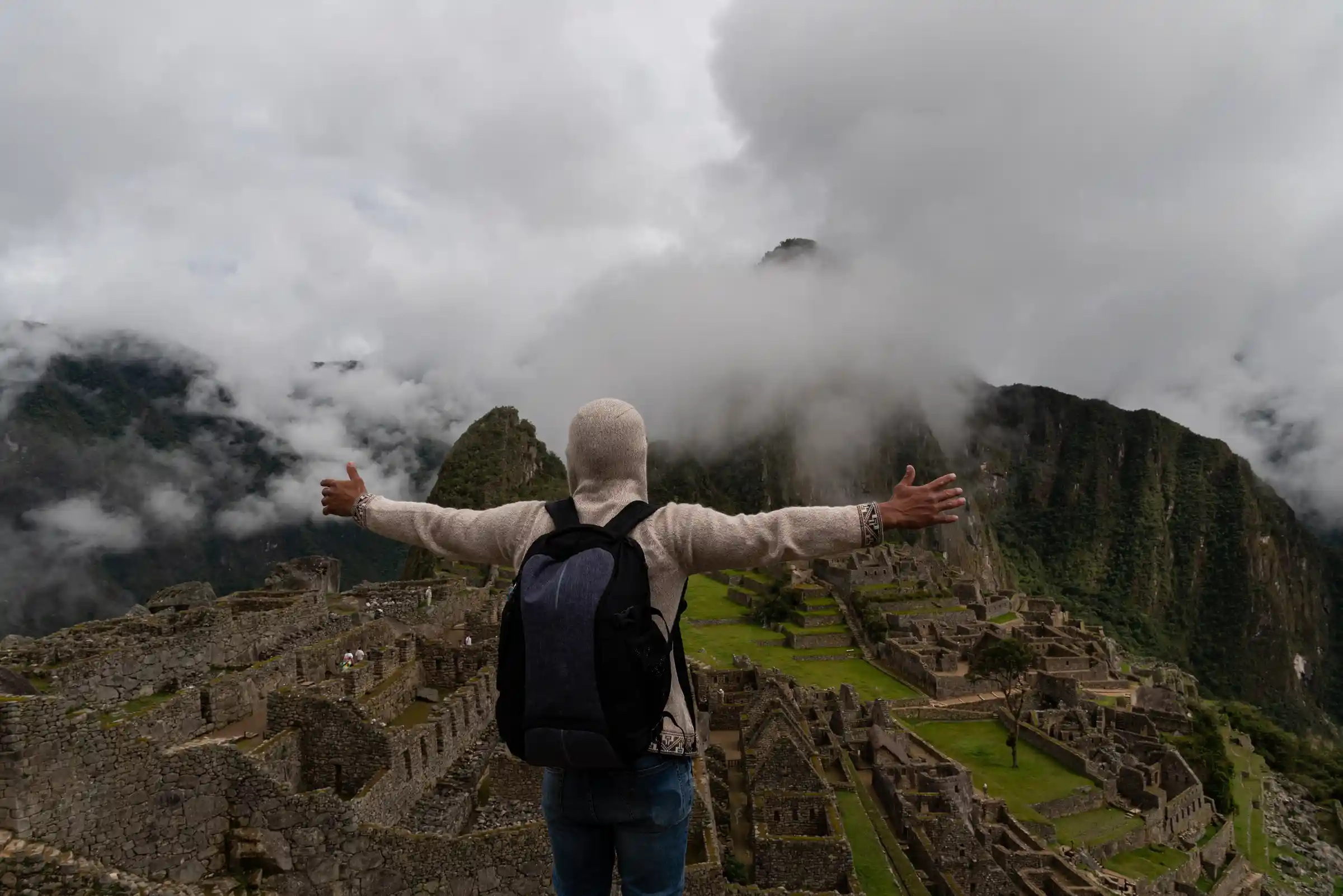
The trek culminates with a complete guided visit to Machu Picchu, where our expert guides provide detailed explanations of the site’s architecture, astronomical alignments, and historical significance. The circuit you follow depends on ticket availability at the time of booking, and we prioritize the most comprehensive routes that allow maximum access to the citadel’s structures and viewpoints.

Throughout the entire 5 days, MACHU PICCHU TEAM provides all necessary logistical support. Our guides are experienced mountain professionals who speak multiple languages and have extensive knowledge of both the natural and cultural features along the route. The cooking team prepares fresh meals using local, organic ingredients, accommodating various dietary requirements. Our private transportation is owned and operated by MACHU PICCHU TEAM, ensuring reliability and safety throughout the journey. Horses and muleteers transport all camping equipment and your personal belongings (up to 7 kilos per person), allowing you to hike each day with only a light daypack containing essentials.

This trek demands proper physical preparation and altitude acclimatization. We recommend spending at least 2 days in Cusco before starting the route to allow your body to adjust to elevations that range from 2,000 to 4,700 meters. The combination of altitude, daily distances, and terrain variability makes this a challenging undertaking that rewards those who come prepared with an authentic mountain experience and access to some of Peru’s most impressive landscapes and historical sites.

📅 AVAILABILITY & BOOKING

To check availability and book the Salkantay Trek, click the BOOK ONLINE button to access our real-time calendar.

If your start date is available, it means Machu Picchu tickets are also available.

Once your booking is confirmed, we will purchase your Machu Picchu entrance ticket, choosing the
best available circuit at the time of booking.

We prioritize circuits according to real-time availability shown on the official Peruvian government website.

  • Opt 1: Llaqta Machupicchu / Circuit 2 – Route 2-A (Classic):
    Classic viewpoint and full citadel tour. Photo | Video
  • Opt 2: Circuit 2 – Route 2-B (Lower Terrace):
    Similar to Opt 1 with a slightly different route. Photo | Video
  • Opt 3: Circuit 1 – Route 1-B (Upper Terrace):
    Panoramic views, no citadel access. Photo | Video
  • Opt 4: Circuit 3 – Route 3-B (Royalty Route):
    Lower Machu Picchu only. Photo | Video
  • Opt 5: Circuit 1 – Route 1-A (Machu Picchu Mountain):
    Mountain hike, no citadel visit. Photo | Video
  • Opt 6: Circuit 3 – Route 3-A (Waynapicchu Mountain):
    Waynapicchu hike + partial citadel visit. Photo | Video

If Opt 1 is important to you, book at least 4 months in advance. Tickets are sold exclusively by the Peruvian government.

Trip details

  • Badge: Featured Tour
  • Duration: 5-Day, 4-Night Trek
  • Price From: $310
  • Student Price: $290
  • Special Offer: Book the Salkantay Trek with us and get our Rainbow Mountain Full Day tour for just $22
  • Trip Style: Hiking
  • Difficulty Level: Challenging
  • Group Size: Maximum 16 People
  • Meals Included: 5 Breakfasts, 4 Lunches, 4 Dinners
  • Total Distance: 75 Km
  • Departures: Daily departures
  • Trip Start: Cusco – Pick-up from your accommodation

Trip Summary

Day-by-Day Summary (Hour by Hour)

DAY 1: CUSCO, EXPLORATION OF HUMANTAY LAKE AND CAMPING AT QUISWARNIYOC

  • 4:30 a.m. to 5:00 a.m. – Hotel pickup in Cusco
  • 5:15 a.m. – Departure from Cusco toward Mollepata
  • 7:15 a.m. – Arrival in Mollepata, breakfast at local restaurant
  • 8:15 a.m. – Departure from Mollepata toward Soraypampa
  • 9:15 a.m. – Arrival at Soraypampa, meet muleteers and horses
  • 9:30 a.m. – Begin trek to Humantay Lake
  • 11:30 a.m. – Arrive at Humantay Lake (4,200 meters)
  • 1:00 p.m. – Depart Humantay Lake, descend toward Quiswarniyoc
  • 2:00 p.m. – Arrive at Quiswarniyoc campsite, lunch
  • 3:00 p.m. – Free time for rest and acclimatization
  • 6:00 p.m. – Dinner at campsite
  • 7:00 p.m. – Briefing for Day 2

DAY 2: QUISWARNIYOC, ASCENT TO THE HIGHEST POINT, SALKANTAY PASS AT 4,700 METERS, AND DESCENT TO CHAWLLAY CAMP

  • 5:00 a.m. – Wake-up coca tea service
  • 5:30 a.m. – Breakfast at campsite
  • 6:00 a.m. – Begin ascent to Salkantay Pass
  • 9:30 a.m. – Arrive at Salkantay Pass (4,700 meters)
  • 10:15 a.m. – Depart Salkantay Pass, begin descent
  • 12:15 p.m. – Arrive at Wayracmachay for lunch
  • 1:15 p.m. – Depart lunch spot toward Chawllay
  • 4:00 p.m. – Arrive at Chawllay campsite (2,900 meters)
  • 6:30 p.m. – Dinner at campsite

DAY 3: EXPLORATION OF SANTA TERESA VALLEY: LUCMABAMBA COFFEE PARK AND STAR DOMES

  • 5:30 a.m. – Wake-up tea service
  • 6:00 a.m. – Breakfast at campsite
  • 6:30 a.m. – Begin trek from Chawllay to Lucmabamba
  • 10:30 a.m. – Arrive at Lucmabamba, coffee tour experience
  • 12:00 p.m. – Lunch at Star Domes
  • 1:00 p.m. – Optional activities (zipline or hot springs) or free time
  • 7:00 p.m. – Dinner at Star Domes
  • 8:00 p.m. – Briefing for Day 4

DAY 4: TREKKING THE INCA TRAIL TO LLACTAPATA, EXPLORING INCA SITES AND MACHU PICCHU VIEWPOINT, HIKE TO AGUAS CALIENTES

  • 6:00 a.m. – Wake-up call
  • 6:30 a.m. – Breakfast at campsite
  • 7:00 a.m. – Begin trek to Llactapata
  • 10:00 a.m. – Arrive at Llactapata archaeological site
  • 11:00 a.m. – Depart Llactapata, descend toward Hidroeléctrica
  • 1:00 p.m. – Arrive at Hidroeléctrica, lunch
  • 2:00 p.m. – Begin walk to Aguas Calientes
  • 5:00 p.m. – Arrive in Aguas Calientes, check into hostel
  • 7:00 p.m. – Dinner in Aguas Calientes
  • 8:00 p.m. – Final briefing for Machu Picchu visit

DAY 5: FINAL DAY – EXPLORE MACHU PICCHU & RETURN TO CUSCO

  • Variable wake-up time based on Machu Picchu entry ticket (between 4:00 a.m. and 6:00 a.m.)
  • Entry time to Machu Picchu as shown on ticket (typically 6:00 a.m. to 10:00 a.m.)
  • 2.5-hour guided tour of Machu Picchu
  • Return to Aguas Calientes
  • Departure to Cusco (by train: 2:30 p.m. to 3:30 p.m. / by car: 3:00 p.m. from Hidroeléctrica)
  • Arrival in Cusco (by train: 7:00 p.m. to 8:00 p.m. / by car: 10:00 p.m. to 10:30 p.m.)
Itinerary

The Salkantay trek to Machu Picchu starts with hotel pickups scheduled between 4:30 a.m. and 5:00 a.m. throughout Cusco. During this time, your guide collects all participants from their respective accommodations using our private transportation owned and operated by MACHU PICCHU TEAM. After assembling the complete group, departure from Cusco occurs around 5:15 a.m., heading toward the town of Mollepata. This journey takes approximately 2 hours as the vehicle climbs from Cusco’s 3,400-meter elevation into the higher Andean zone.

Upon arrival in Mollepata, you’ll enjoy breakfast at one of the local restaurants, where the meal is included in your tour package. The breakfast typically features fresh bread, eggs, fruit, juice, and coca tea – the traditional Andean beverage that assists with altitude acclimatization. The stop in Mollepata lasts about 1 hour, which also provides time for any last-minute supply purchases if needed.

After breakfast, the journey continues by private transportation toward Soraypampa, requiring another hour of driving on unpaved mountain roads. Once at Soraypampa, you meet the team of muleteers and their horses, marking the official start of your trekking experience. Before beginning the hike, all participants hand over their duffle bags (containing up to 7 kilos of personal belongings) to the muleteers, who transport these items to each campsite throughout the trek.

The trek from Soraypampa to Humantay Lake begins at an elevation of 3,900 meters and climbs to 4,200 meters where the lake is located. The initial section involves a gradual uphill walk for about 1 hour, followed by a steeper ascent during the final hour. The complete hike to the lake requires approximately 2 hours. Our guides, who have extensive experience leading groups along this route, set a measured pace that accommodates the altitude and ensures all participants can complete the climb successfully.

Upon reaching Humantay Lake, you have free time to experience the location, photograph the turquoise waters against the backdrop of surrounding glacial peaks, and listen as your guide provides information about the lake’s formation and its significance in Andean culture. The stay at the lake typically extends between 1 and 1.5 hours, depending on weather conditions and group energy levels. The altitude at this point requires careful movement and adequate hydration.

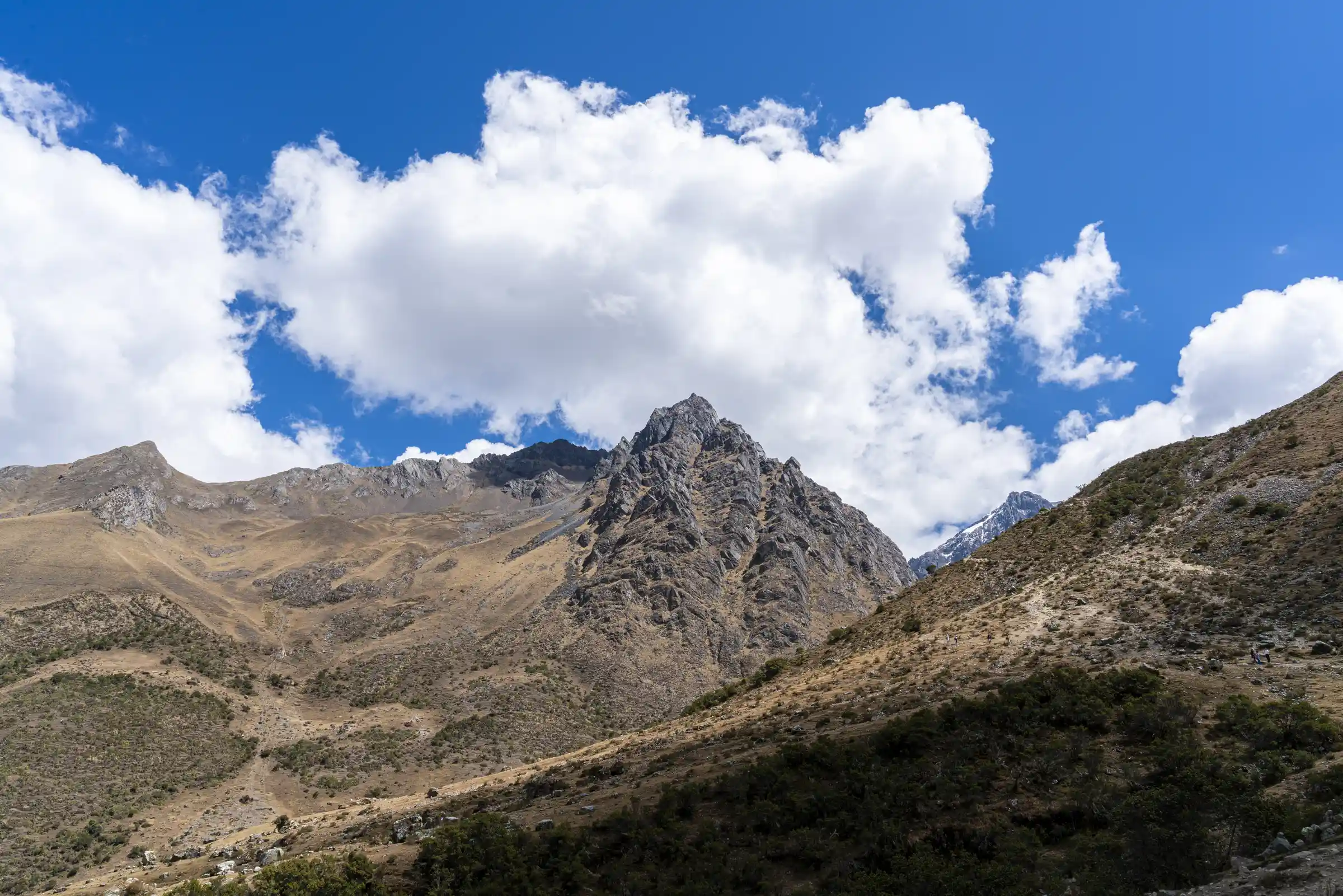
After visiting the lake, descent begins toward the Quiswarniyoc campsite. This section combines 1 hour of downhill walking followed by approximately 45 minutes of relatively flat terrain. The trail offers expansive views of the Salkantay massif and the valleys that extend toward the Amazon lowlands.

Arrival at Quiswarniyoc campsite usually occurs around 2:00 p.m. The cooking team has lunch prepared and waiting – they traveled ahead to set up the dining area and prepare a hot meal using fresh ingredients and traditional Andean recipes. After lunch, your guide shows you to your sleeping accommodations for rest. The afternoon following lunch has no scheduled hiking activities, allowing you to take short walks around the expansive Quiswarniyoc area and enjoy the direct views of Salkantay Mountain, which stands immediately in front of the campsite.

Around 6:00 p.m., the cooking team serves dinner – another multi-course meal designed to provide energy for the challenging day ahead. Following dinner, your guide provides detailed information about Day 2, which involves reaching the trek’s highest elevation point and represents the most demanding section of the entire route.

Summary for Day 1:

  • Included Meals: Breakfast, Lunch, Dinner
  • Accommodation: Mountain Sky Hut
  • Difficulty Level: Moderate
  • Hiking Distance: 10 kilometers
  • Estimated Trekking Duration: 5 to 6 hours
  • Campsite Elevation: 4,000 meters above sea level
  • Weather: Cold and windy nights during dry season (May to August), with temperatures potentially dropping to -5 degrees Celsius
  • Important Note: This day serves as preparation and acclimatization for Day 2, which presents the trek’s greatest challenge

The day begins at 5:00 a.m. when the kitchen team serves coca leaf tea directly to your accommodation. This traditional morning beverage, known locally as “te despierto,” helps with altitude adjustment and provides a gentle start to what will be the trek’s longest and most demanding day. After waking, you have approximately 30 minutes to prepare yourself and organize your belongings for the day’s trek.

Breakfast service begins at 5:30 a.m. The meal includes hot porridge, eggs, bread, fruit, and hot beverages – all designed to provide sustained energy for the extended hiking ahead. After breakfast, there’s a brief period for final backpack organization and bathroom visits before departing camp.

The trek from Quiswarniyoc to Salkantay Pass begins around 6:00 a.m. This section ascends from 4,000 meters to 4,700 meters – an elevation gain of 700 meters over the course of 3 to 3.5 hours of steady uphill walking. Our experienced guides maintain a measured pace, incorporating extended rest breaks every hour. These breaks allow for rehydration, snacks from your daypack, and gradual altitude adjustment. The ascent itself is technically manageable with proper acclimatization; the primary challenge comes from the reduced oxygen availability at this elevation.

Upon reaching the summit at Salkantay Pass, the views extend in all directions. Salkantay Mountain rises directly before you, its glaciated slopes and summit reaching 6,271 meters. On clear days, you can observe multiple other peaks in the Vilcabamba range. Your guide provides information about the geographical and cultural importance of this location, and may involve the group in a traditional offering ceremony to the mountain gods (called Apus in local belief systems). You spend approximately 30 to 45 minutes at the peak, allowing time for photographs and rest before beginning the descent.

The descent from Salkantay Pass to the lunch location at Wayracmachay takes about 2 hours. This downhill section provides relief from the altitude as you drop approximately 1,000 meters in elevation. At Wayracmachay, the cooking team has lunch prepared – they departed camp earlier in the morning and traveled ahead to have a hot meal ready upon your arrival.

After lunch, there’s a short rest period before continuing the day’s second descent section. This final portion extends from the lunch spot to the second campsite at Chawllay, requiring between 2.5 and 3 hours of hiking. The trail descends somewhat steeply through changing vegetation zones as you transition from the high Andes toward the Amazon region. The temperature increases noticeably as elevation decreases, and the landscape transforms from sparse alpine vegetation to more diverse plant communities.

Arrival at Chawllay campsite occurs in late afternoon, typically around 4:00 p.m. The campsite sits at 2,900 meters – significantly lower than where you started the day. Your guide shows you to your accommodations for the night. The dramatic elevation change means warmer temperatures and a substantially different environment compared to the previous night’s camp.

The day concludes with dinner prepared by the cooking team. The meal provides an opportunity to rest and reflect on completing the trek’s most challenging section. Most participants feel a sense of accomplishment after successfully crossing Salkantay Pass and descending to the more comfortable elevation at Chawllay.

Summary for Day 2:

  • Included Meals: Breakfast, Lunch, Dinner
  • Accommodation: Mountain Sky Hut
  • Difficulty Level: Challenging
  • Maximum Altitude: 4,700 meters at Salkantay Pass
  • Hiking Distance: 22 kilometers
  • Estimated Trekking Duration: 9 to 10 hours
  • Camping Altitude: 2,900 meters
  • Weather: Warm and hot at lower elevations
  • Important Note: Day 2 represents the most difficult section of the entire trek. However, you have the complete day to finish it and reach the second campsite. This day also offers the most impressive mountain views of the entire journey.

Wake-up tea service begins at 5:30 a.m. as the kitchen team helps you start the day. You have time for packing and preparing for today’s trek, which involves different terrain and a significantly shorter hiking distance than the previous day.

Breakfast is served around 6:00 a.m., providing energy for the morning’s activities. The trek from Chawllay to Lucmabamba begins at approximately 6:30 a.m. This 4-hour section follows predominantly flat terrain through the Santa Teresa valley, offering a welcome change from the previous days’ elevation challenges.

As you walk through this valley, the environment continues to transform. The vegetation becomes increasingly diverse, with coffee plants, banana trees, avocado orchards, and other subtropical crops appearing along the trail. The temperature remains warm, and humidity increases as you enter the cloud forest transition zone. Our guides, who know this route thoroughly, point out various plant and animal species throughout the walk.

After 4 hours of hiking, you arrive in Lucmabamba, a region known throughout Peru for its high-quality coffee production. Here you visit a local family at their Coffee Park, where they demonstrate the complete coffee cultivation process. The family explains planting techniques, shows how they harvest the coffee cherries, and demonstrates the traditional methods of processing, drying, and roasting the beans. Lucmabamba coffee is recognized for its distinctive flavor profile, which results from the specific elevation, climate, and soil conditions in this valley. As part of the experience, you have the opportunity to roast and brew your own coffee using traditional methods, then taste the results.

This area also offers the Salkantay Zipline experience, which you can add to your day either before or after lunch. Your guides assist in organizing these activities to ensure you can participate if interested. Lucmabamba provides a combination of cultural learning and optional adventure activities, making it a distinct section of the overall trek.

Lunch is served at the exclusive Star Domes in Lucmabamba – these are panoramic glass domes where you’ll also spend the night. The Star Domes represent a unique accommodation option offered by MACHU PICCHU TEAM, combining comfort with complete immersion in the natural surroundings. The domes are positioned to provide views of the valley and surrounding mountains while maintaining privacy and protection from the elements.

After lunch, the trekking portion of the day is complete. You can relax at the Star Domes, participate in optional activities, or visit the Santa Teresa hot springs. The hot springs are particularly appealing after 3 consecutive days of trekking – the natural thermal waters provide muscle relaxation and general comfort. The visit to the hot springs requires approximately 1 hour of travel each direction by local transport, plus approximately 2 hours at the springs themselves. The total additional cost is about 40 soles, which covers round-trip transportation (15 soles each way, totaling 30 soles) plus the 10-sole entry fee to the springs.

Whether you choose to visit the hot springs or remain at the Lucmabamba campsite, the afternoon provides rest time in preparation for Day 4. Dinner is served around 7:00 p.m., prepared by the cooking team using the same fresh, local ingredients that have characterized all meals throughout the trek.

After dinner, your guide provides information and details about the next day’s itinerary, which leads to Aguas Calientes – the base town for Machu Picchu.

Summary for Day 3:

  • Included Meals: Breakfast, Lunch, Dinner
  • Accommodation: Star Domes (crystal domes)
  • Difficulty Level: Easy
  • Hiking Distance: 15 kilometers
  • Estimated Trekking Duration: 4 to 5 hours
  • Camping Altitude: 2,000 meters
  • Weather: Hot and humid during the day, cooler at night
  • Important Note: This third day offers relaxed exploration of the Amazon-transition zone, featuring the distinctive coffee tour and optional visit to the Santa Teresa hot springs.

Wake-up call comes at 6:00 a.m., giving you time to organize your belongings. Breakfast is served at 6:30 a.m., with the hike beginning around 7:00 a.m. from the Lucmabamba campsite.

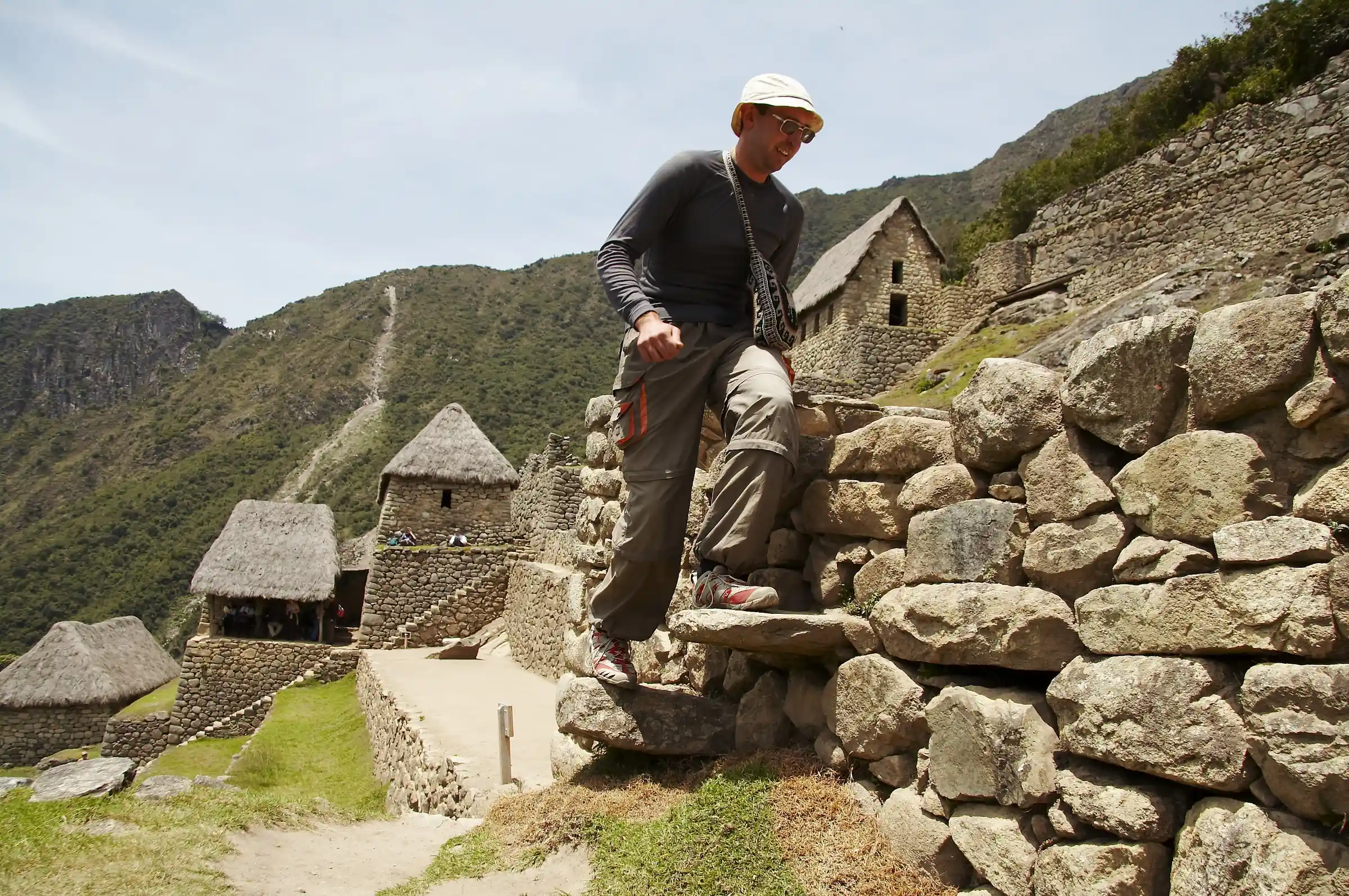
Today’s route follows an original Inca trail – an ancient path built and maintained by Inca engineers centuries ago. The 3-hour ascent takes you to the archaeological site of Llactapata. This section of trail demonstrates the sophisticated construction techniques employed by Inca builders: the path includes precisely fitted stone steps, drainage systems, and carefully graded sections that manage water flow during the rainy season. The trail remains in remarkably good condition despite its age, testament to the engineering knowledge possessed by the Inca civilization.

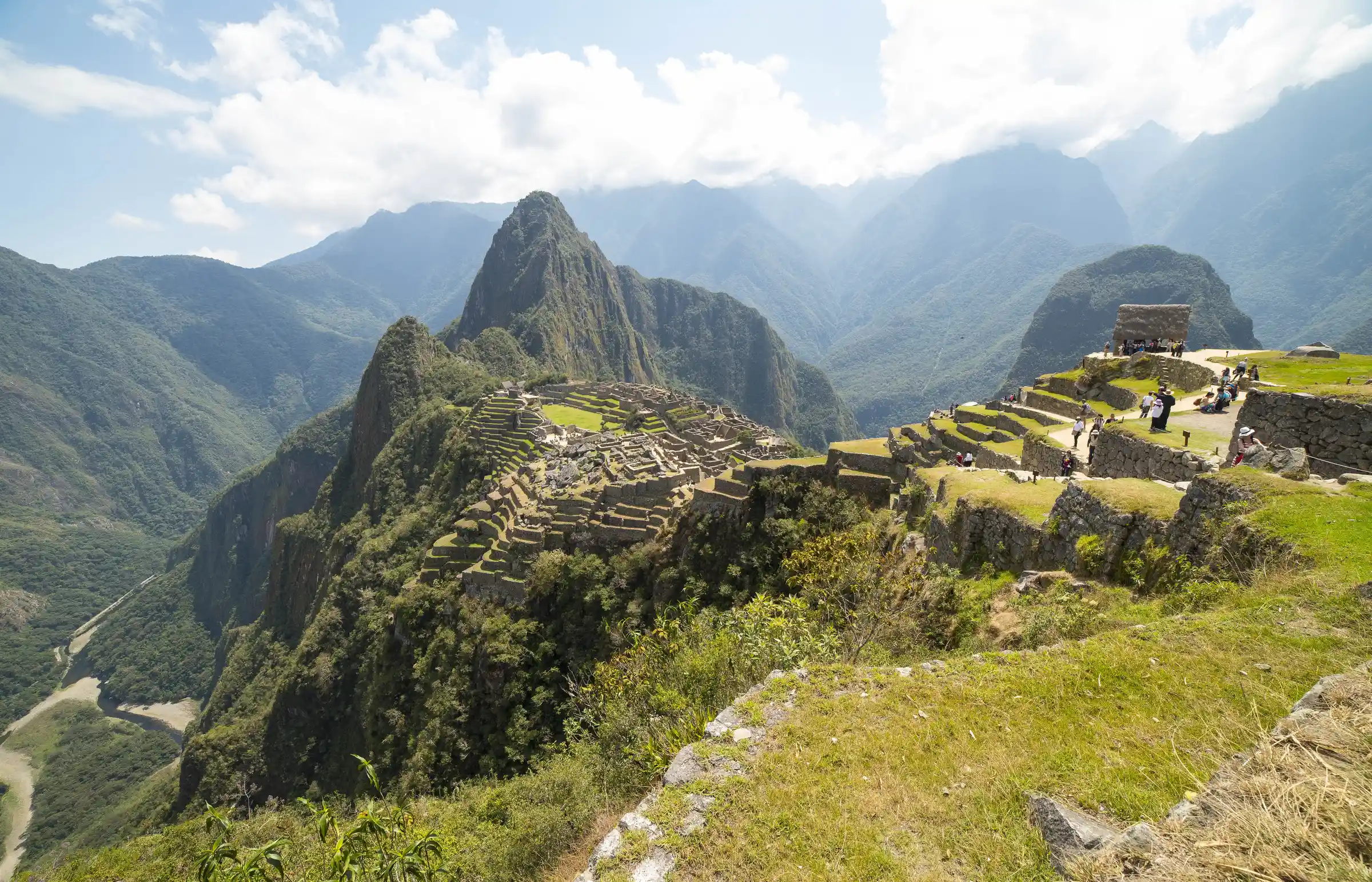
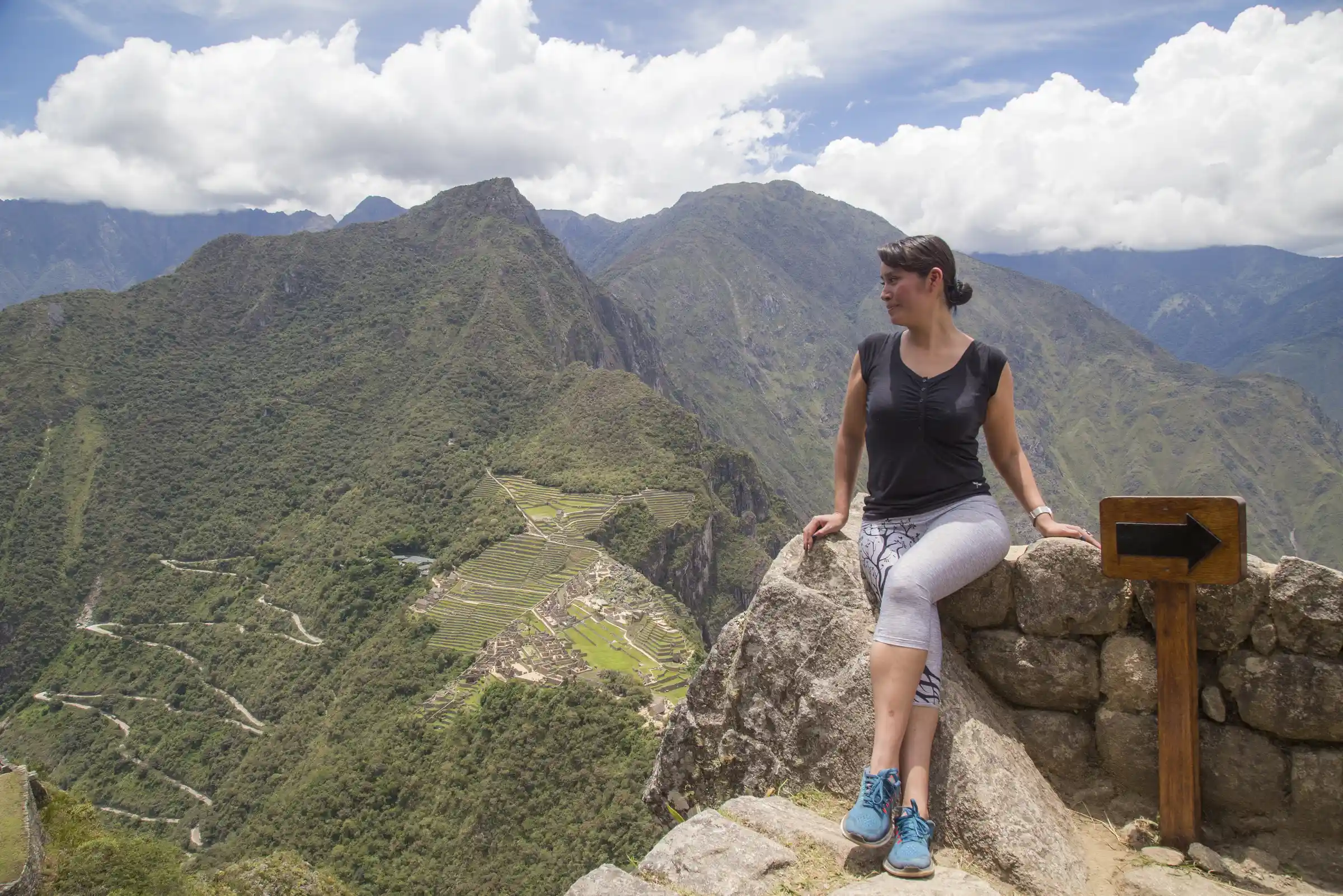
Upon reaching Llactapata, you gain a perspective of Machu Picchu that few visitors experience. From this vantage point across the valley, you can observe Machu PicchuHuayna Picchu, and the surrounding mountains from an angle completely different from the standard tourist viewpoints. This perspective helps you understand Machu Picchu’s geographic location and its relationship to other Inca sites in the region.

The Llactapata site itself features terracing systems, residential structures, and ceremonial areas that demonstrate typical Inca architectural and agricultural approaches. Our guides, who have detailed knowledge of Inca history and archaeology, provide explanations of the site’s functions and its connection to Machu Picchu and other locations in the Inca road network. You have time to explore the site, photograph the structures, and appreciate the view before beginning the descent.

The path from Llactapata to the Hidroeléctrica station is notably steep – arguably the most pronounced descent of the entire trek. In this section, trekking poles prove particularly helpful for maintaining stability and reducing stress on knees and ankles. The 2-hour descent brings you from Llactapata’s elevation down to the Hidroeléctrica station in the valley bottom.

At the Hidroeléctrica station, you stop for lunch at a local restaurant. This meal is included in your tour package. After lunch, you have time to rest before continuing toward the town of Aguas Calientes.

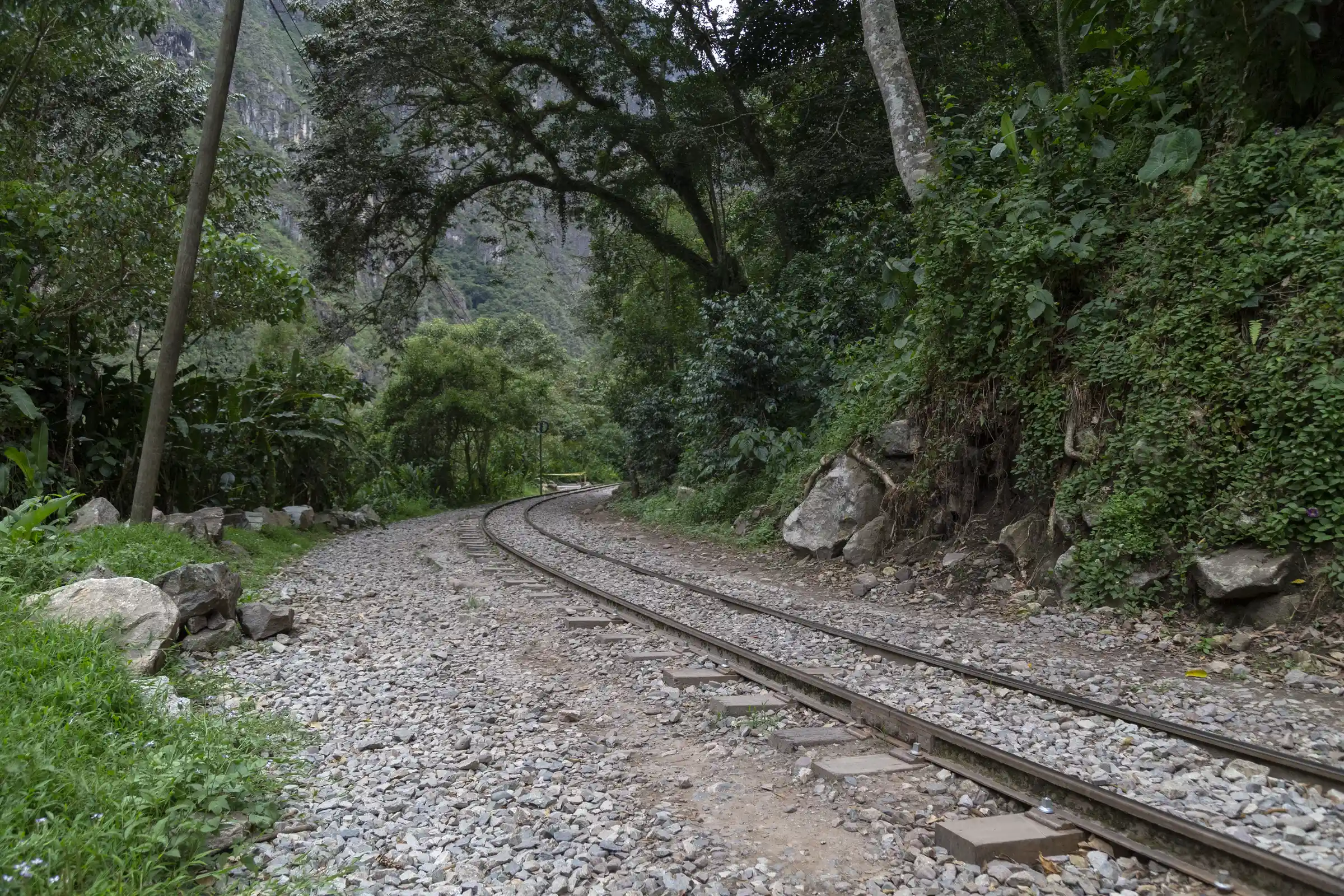
The final section of the day involves a 3-hour walk along the railway from the Hidroeléctrica station to Aguas Calientes. This relatively flat walk follows the train tracks through the valley, with the Urubamba River running alongside. Throughout this walk, you can observe portions of Machu Picchu from the valley perspective. The temperature in this section is warm, and the vegetation is lush subtropical forest.

Upon arrival in Aguas Calientes, your guide takes you to the hostel where you’ll spend the night. The hostel provides private bathrooms, hot showers, and Wi-Fi access – modern amenities that offer welcome comfort after 4 days of camping. You have time to shower, rest, and organize your belongings.

Dinner is scheduled around 7:00 p.m. at a local restaurant in Aguas Calientes. Following dinner, you make final preparations for the next day’s visit to Machu Picchu. Your guide provides specific instructions about wake-up time, breakfast arrangements, and the logistics for reaching Machu Picchu’s entrance at the correct time according to your entry ticket.

Summary for Day 4:

  • Included Meals: Breakfast, Lunch, Dinner
  • Accommodation: Hostel in Aguas Calientes
  • Difficulty Level: Challenging
  • Hiking Distance: 24 kilometers
  • Estimated Trekking Duration: 8 to 9 hours
  • Maximum Altitude: 2,700 meters at Llactapata
  • Altitude of Aguas Calientes: 2,000 meters
  • Weather: Hot
  • Important Note: This fourth day combines historical exploration at the Llactapata archaeological site with a panoramic descent through the Amazon forest, culminating in a relaxing evening in Aguas Calientes. The trail to Llactapata and the site itself are located within dense vegetation, creating a sense of discovery as you navigate through the forest to reach these Inca constructions.

The final day focuses entirely on visiting and experiencing the Inca City of Machu Picchu. Your entry time is based on the schedule printed on your entrance ticket, so arriving at the main gate at that exact time is essential. To travel from Aguas Calientes to Machu Picchu’s entrance, you have 2 options:

Hiking Option (approximately 1.5 hours): This route begins with a 30-minute flat walk from your hostel to Puente Ruinas, which serves as the first checkpoint. At this location, you show your passport and Machu Picchu ticket to the control personnel. From Puente Ruinas, the path climbs uphill for about 1 hour, ascending approximately 1,700 stone steps built into the mountainside. If your ticket shows a 6:00 a.m. entry time, you should begin the walk at 4:30 a.m. after having breakfast at your hostel.

Shuttle Service Option (approximately 30 minutes): If you prefer not to walk, comfortable buses operate between Aguas Calientes and the entrance. Tickets cost $12 USD for one-way travel and can be purchased the night before or in the morning. Buses begin running at 5:30 a.m. and depart every 5 to 10 minutes on a first-come, first-served basis throughout the morning.

Regardless of which transportation method you choose, the crucial requirement is arriving at the main gate at the time indicated on your ticket. Entry times are strictly enforced by the government authorities managing the site.

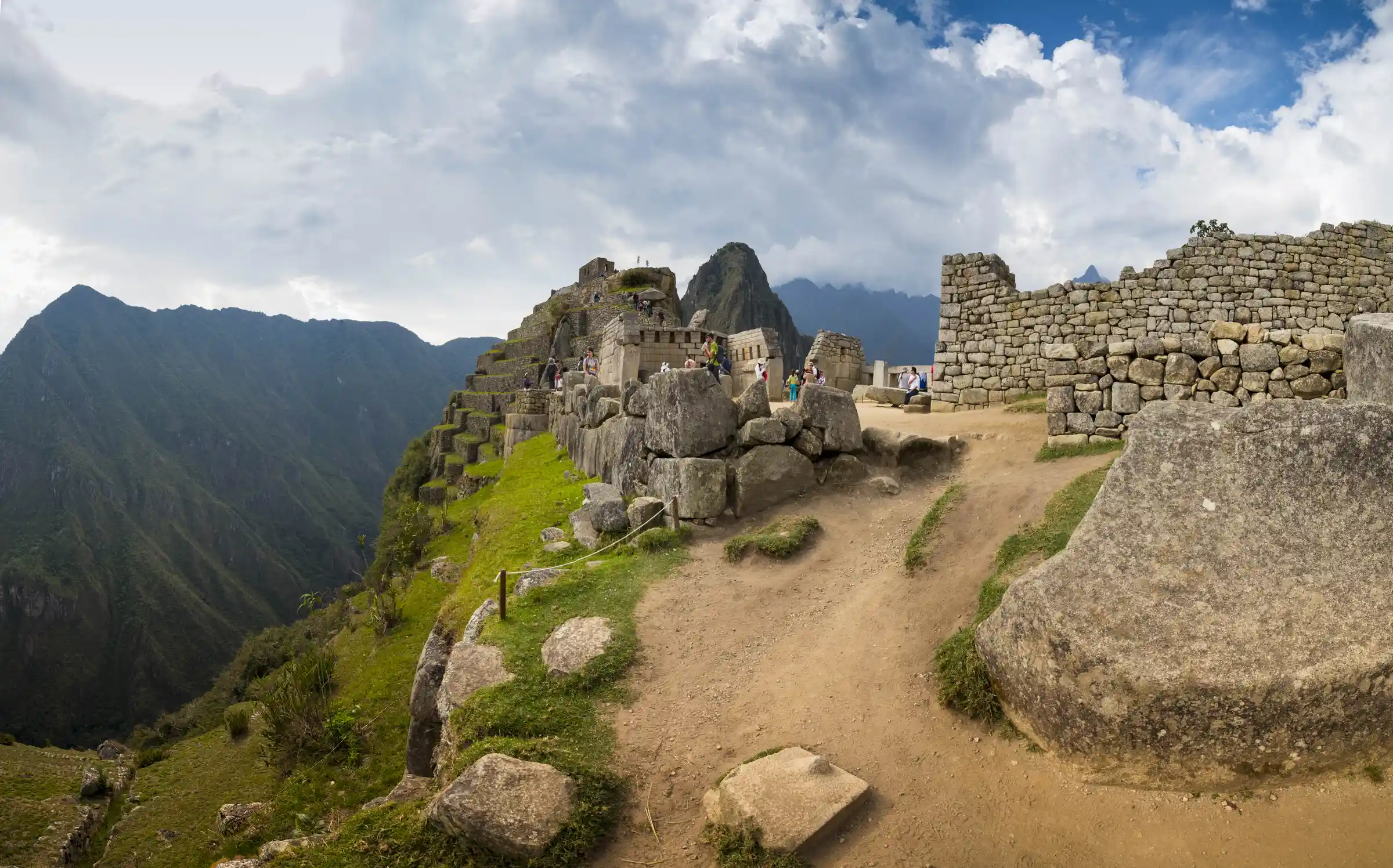
Once you arrive and pass through the entrance controls, you meet your group and your professional guide from MACHU PICCHU TEAM. The guide conducts a 2-hour tour of Machu Picchu, following the specific circuit assigned to your ticket. During this tour, the guide provides detailed explanations of the site’s history, architectural features, astronomical alignments, water management systems, and cultural significance. Our guides have extensive expertise in Inca civilization and archaeology, having conducted hundreds of tours through this site. They explain the functions of different structures, the theories about Machu Picchu’s original purpose, and the historical context of its construction and abandonment.

The guided tour includes time for photographs and personal observation while maintaining the scheduled pace necessary to cover the circuit within the allocated time. After the 2-hour guided portion concludes, you have approximately 30 minutes of personal time to walk through the areas you’ve visited, take additional photographs, and absorb the experience of being in this remarkable location.

If you purchased an additional ticket for Huayna Picchu Mountain or Machu Picchu Mountain, you can begin that hike after completing the guided tour. These mountain hikes take approximately 3 hours round-trip and must be reserved well in advance due to limited daily availability.

After finishing your activities at Machu Picchu, you return to Aguas Calientes. You have 2 return options to reach Cusco:

Option 1: Return by Train From Machu Picchu, you return to Aguas Calientes either by walking (1.5 hours) or by taking the shuttle service (30 minutes at $12 USD). You then board the train to Ollantaytambo, a journey lasting approximately 1.5 hours. Train departures typically occur between 2:30 p.m. and 3:30 p.m., depending on availability at the time of booking. Upon arrival in Ollantaytambo, you continue by private transportation to Cusco – a 2-hour drive. The vehicle is provided by MACHU PICCHU TEAM. You arrive in Cusco between 7:00 p.m. and 8:00 p.m.

When booking your trek, you can choose between 2 train companies – Peru Rail and Inca Rail – and their different service levels:

  • Expedition Service (Peru Rail) / Voyager Service (Inca Rail): These are the standard comfortable trains with large windows, cushioned seats, and basic amenities. Both provide the same general level of comfort and similar travel times.
  • Vistadome Service (Peru Rail) / 360° Service (Inca Rail): These upgraded trains feature panoramic windows, glass roof sections, onboard entertainment including traditional music and dance performances, and complimentary snacks. The upgrade costs an additional $45 USD per person for the return journey from Aguas Calientes to Ollantaytambo.

Option 2: Return by Car via Hidroeléctrica This option involves hiking from Machu Picchu to the Hidroeléctrica station, which takes approximately 3 hours. You must arrive at Hidroeléctrica by 2:30 p.m. to catch the only available car departure at 3:00 p.m. The drive from Hidroeléctrica to Cusco takes between 5 and 6 hours, with estimated arrival between 10:00 p.m. and 10:30 p.m.

Important Note: This return option only works if your Machu Picchu entry time is between 6:00 a.m. and 9:00 a.m. If your ticket shows a later entry time, you will not arrive at Hidroeléctrica in time to catch the 3:00 p.m. car departure. In that situation, you would need to spend an additional night in Aguas Calientes and return the following day. Any additional costs for extra accommodation, meals, or other services would be the traveler’s responsibility.

Throughout the entire return journey, one of our MACHU PICCHU TEAM representatives remains aware of your itinerary and coordinates the logistics to ensure smooth travel back to Cusco.

Inclusions

Included

  • PRE-TREK BRIEFING (7:00 P.M., Cusco) Mandatory meeting at MACHU PICCHU TEAM office where you meet your guide and fellow trekkers. Information provided includes trek route details, daily distances, elevation profiles, pickup times, train/entrance tickets distribution, and duffle bag guidelines (7 kilos max for horse transport). Bring only your passport. You can pay remaining balance and rent sleeping bags or trekking poles if needed.
  • PROFESSIONAL GUIDE Certified guide accompanies you throughout the entire 5-day trek and conducts the 2.5-hour Machu Picchu tour. Experts in mountain excursions with extensive Salkantay route experience. Fluent in English and Spanish (additional languages available), carrying first aid kit and oxygen. They adjust pace to group abilities and ensure safety.
  • TRANSPORTATION & PICKUP Hotel pickup between 4:30-5:00 a.m. (time confirmed at briefing) or arrive at office at 5:00 a.m. Private vehicle transport from Cusco to Soraypampa (~3 hours), including breakfast stop in Mollepata. MACHU PICCHU TEAM operates all vehicles with highly trained drivers.
  • DUFFLE BAG SERVICE Receive bag for 7 kilos of personal belongings. Muleteers transport bags on horseback, arriving at campsites before you. Carry only small daypack during hiking with essentials (water, snacks, rain gear, camera).
  • ACCOMMODATION (4 nights)
  • 2 nights in panoramic cabins (Days 1-2)
  • 1 night in Star Domes with transparent roofs (Day 3)
  • 1 night in hostel in Aguas Calientes with private bathrooms, hot showers, Wi-Fi (Day 4)
  • All include mattresses and pillows. Sleeping bag rental available: $15 USD (handles -10°C). Accommodations designed for 2 people; groups of 3-4 can share.
  • MEALS 5 breakfasts, 4 lunches, 4 dinners prepared by professional cooking team using fresh, locally-sourced ingredients. Vegetarian, vegan, gluten-free, and other dietary restrictions accommodated at no extra cost. Daily hiking snacks provided (fruits, cookies, chocolate). Food safety protocols maintained.
  • MACHU PICCHU ENTRANCE TICKET Ticket included. First priority: Circuit 2 (Route 2-A) – 70% citadel access with panoramic viewpoint. Alternative: Circuit 2-B (60% access). Book 3-4 months in advance for preferred options. Six circuit options available. Check availability: https://tuboleto.cultura.pe/llaqta_machupicchu
  • GUIDED MACHU PICCHU TOUR Comprehensive 2.5-hour tour explaining architecture, construction techniques, astronomical alignments, water systems, agricultural terraces, and historical context. Followed by ~30 minutes personal exploration time.
  • RETURN OPTIONS TO CUSCO
  • Train Option: Departure 2:30, 2:55, or 3:20 p.m. Walk (~1 hour) or shuttle ($12 USD) to station. 1.5-hour train to Ollantaytambo, then private transport to Plaza Regocijo. Arrival: 6:30-8:00 p.m.
  • Car Option: 3-hour hike from Machu Picchu to Hidroeléctrica (start by 11:00 a.m.): 30-40 minute descent plus 1.5-2 hours flat walking on railway tracks. Vehicle departs 3:00 p.m., 6-7 hour drive to Cusco, arrival ~10:00 p.m.
  • SUPPORT TEAM Muleteers and horses transport all camping equipment, food supplies, cooking equipment, and duffle bags. Team maintains animal welfare and route expertise.
  • FREE LUGGAGE STORAGE Complimentary storage at MACHU PICCHU TEAM office (near Plaza de Armas). Available 4:30 a.m. – 10:00 p.m. daily, including Sundays. Secure storage while trekking; retrieve upon return.
  • VEGETARIAN AND VEGAN MEAL OPTIONS MACHU PICCHU TEAM provides vegetarian and vegan meals at no additional cost, along with accommodations for gluten-free, lactose-free, and other dietary restrictions. Simply inform of dietary needs when reserving. The cooking team prepares appropriate meals throughout the trek using natural, organic ingredients sourced from local producers.
  • EMERGENCY EQUIPMENT Each guide carries oxygen bottles and comprehensive first aid kits for immediate assistance. Guides are trained in altitude-related health issues, basic first aid, and emergency response procedures. They monitor participants throughout the trek and recognize early signs of altitude sickness, dehydration, or other health concerns before they become serious problems.

Not Included

  • HUMANTAY LAKE ENTRANCE TICKET Day 1 visit requires entrance fee paid directly to Mollepata local government at lake entrance: 20 soles (~$6 USD) for foreign visitors, 10 soles (~$3 USD) for Peruvian citizens. Cash payment only in small denominations (credit cards not accepted). Guide reminds you during briefing and before arrival.
  • SLEEPING BAG RENTAL $15 USD for entire trek. Bags designed for temperatures down to -10°C with thermal liner included. Professionally cleaned and maintained. Arrange when booking or during pre-trek briefing at Cusco office.
  • TREKKING POLES RENTAL $15 USD for entire trek. Adjustable professional poles beneficial for steep descents (Days 2 and 4), providing balance, stability, and knee/ankle relief. Arrange when booking or at pre-trek briefing.
  • SANTA TERESA HOT SPRINGS VISIT (Optional) Day 3 afternoon activity (~1 hour from Lucmabamba campsite). Cost: ~40 soles total, including round-trip local transport (30 soles/15 each direction) and entrance fee (10 soles). Cash payment on-site. Takes 3-4 hours total. Optional; alternatively rest at campsite for Day 4 preparation.
  • DRINKING WATER FOR BOTTLES Water provided for hot beverages and meals only. For hiking hydration (2-3 liters daily needed), two options:
  • Option 1: Purchase bottled water – 5-12 soles per 2.5-liter bottle at shops along trail, campsites, breakfast stops (prices higher in remote areas).
  • Option 2: Portable water filter or purification tablets for mountain streams (more sustainable and economical).
  • INTERNET CONNECTION Limited signal throughout route. No cell signal from ~9:00 a.m. Day 1 until Day 2 campsite (Chawllay). Wi-Fi available at Chawllay for 10 soles. Cell signal and internet generally available after Day 3. Inform contacts of limited connectivity first 2 days.
  • SHOWERS AND TOILET FACILITIES Toilets at campsites are free. Local toilet use while hiking: 1 sol. Showers: Cold showers free; hot showers at Chawllay (Day 2) for 10 soles. Hot springs visit (Day 3) or Aguas Calientes hostel shower (Day 4) available. No showers at first camp (Quiswarniyoc) due to extreme cold.
  • TIPS FOR GUIDES, COOKS, AND MULETEERS (Optional) Tipping is discretionary, not mandatory. MACHU PICCHU TEAM pays fair, competitive wages. Suggested amounts based on previous groups:
  • Guide: $10-$20 USD per participant
  • Cooking team (total): $10-$15 USD per participant
  • Muleteers (total): $5-$10 USD per participant
  • Tip based on service satisfaction and your budget.
  • TRAVEL INSURANCE Not included in trek package. Strongly recommended to purchase in home country before traveling to Peru (difficult to obtain comprehensive coverage once in Peru). Should cover medical emergencies, evacuation from remote areas, trip cancellation/interruption, and loss of belongings. Essential given altitude and remote terrain.

Pricing

SALKANTAY TREK 5D-4N PRICES (GROUP SERVICE) – 2025 & 2026 SEASON

The prices for the Salkantay Trek vary based on participant category and your chosen return option from Machu Picchu to Cusco (by train or by private transportation via Hidroeléctrica). Below are the detailed pricing structures:

SALKANTAY TREK 5D-4N WITH RETURN TO CUSCO BY PRIVATE TRANSPORTATION:

CategoryPrice per Person
Student (Valid student ID required)$290 USD
Child (Ages 8 to 17)$290 USD
Adult$310 USD

SALKANTAY TREK 5D-4N WITH RETURN TO CUSCO BY TRAIN:

CategoryPrice per Person
Student (Valid student ID required)$360 USD
Child (Ages 8 to 17)$360 USD
Adult$380 USD

Group Size and Experience: Groups average 12 to 14 participants, with a maximum of 16 people per departure. MACHU PICCHU TEAM organizes groups based on traveler affinity – whether you’re a couple, traveling with friends, or solo – bringing together people from around the world. Our goal is to make the experience personal, safe, and enjoyable, so you complete the trek with unforgettable memories and new friendships formed along the route.

Student Price Qualification: To qualify for the student price, participants must be under 25 years old and provide valid student identification. The ID must be either an ISIC (International Student Identity Card) or official university identification that includes a photograph, current enrollment date, and school/university information. The ID will be checked during the pre-trek briefing and at Machu Picchu entrance. If you cannot provide valid documentation, you will be required to pay the difference between student and adult pricing.

Private Service Option: If you prefer a completely private trek with only your group members (not joining other travelers), contact MACHU PICCHU TEAM directly for pricing and availability. Private service includes the same route, accommodations, and services but with dedicated guides, cooking team, and support staff exclusively for your group.

Travel Guide

CLIMATE AND WEATHER CONDITIONS

High Altitude Zones (Days 1-2: 3,900m-4,700m):

  • Dry season (May-August): 10-15°C daytime, -5°C to 5°C night; wind chill at Salkantay Pass
  • Wet season (November-March): Cold nights, frequent clouds, mist, precipitation, possible snow year-round

Mid-Elevation Zones (Day 2 afternoon, Day 3: 2,000m-2,900m):

  • Moderate temperatures: 15-25°C daytime, 5-15°C night

Low Elevation Zones (Days 4-5: below 2,000m):

  • Subtropical: 20-30°C daytime with high humidity, 15-20°C night; rain possible year-round

Seasonal Overview:

  • Dry season (May-September): Stable weather, clear skies, minimal rain—peak trekking season, coldest nights
  • Wet season (November-March): More rain, mud, fewer trekkers, lower prices
  • Transition months (April, October): Variable weather with mixed dry periods and occasional rain

CLOTHING STRATEGY: LAYERING SYSTEM

Base Layer (directly on skin):

  • Moisture-wicking synthetic or merino wool t-shirts (bring 2-3 to rotate)
  • Avoid cotton

Mid Layer (insulation):

  • Fleece jacket for moderate warmth
  • Down or synthetic insulated jacket for extreme cold

Outer Layer (weather protection):

  • Waterproof, breathable rain jacket with sealed seams
  • Rain pants

Lower Body:

  • Quick-dry hiking pants or convertible zip-off pants
  • Thermal leggings as base layer for cold nights

Extremities:

  • Sun hat with brim (UV protection)
  • Warm beanie/wool hat
  • Waterproof gloves
  • Wool or synthetic hiking socks (never cotton)
  • Properly broken-in hiking boots with ankle support and aggressive tread

Day-by-Day Recommendations:

  • Day 1: Base + fleece; add down jacket at lake (4,200m); have rain gear accessible
  • Day 2: Start with base, fleece, down jacket, beanie, gloves; remove layers ascending; wear all warm layers at pass (4,700m); remove progressively descending
  • Day 3: Base + light mid-layer sufficient; keep rain gear accessible
  • Day 4: Base layer shirt and pants sufficient in subtropical conditions; rain gear important
  • Day 5: Breathable, comfortable clothing for warm temps; note Machu Picchu prohibits large backpacks, trekking poles, umbrellas, and revealing clothing

PHYSICAL FITNESS AND TRAINING REQUIREMENTS

Trek Difficulty: Challenging, requires good physical condition

Demands:

  • Daily hiking: 10-24 kilometers
  • Total elevation gain: exceeding 2,000 meters
  • Duration: 4-10 hours per day
  • Terrain: Steep ascents/descents on uneven ground
  • Maximum altitude: 4,700 meters with reduced oxygen

Recommended Training (minimum 2 months before):

  • Regular hiking with elevation gain
  • Cardiovascular exercise: 30-60 minutes, 3-5 times weekly (running, cycling, swimming)
  • Leg strengthening: squats, lunges, step-ups
  • Core strengthening for stability and injury prevention
  • Practice hiking with loaded backpack

ALTITUDE AND HEALTH CONSIDERATIONS

Altitude Sickness Symptoms:

  • Headache
  • Nausea or loss of appetite
  • Fatigue and weakness
  • Dizziness or lightheadedness
  • Difficulty sleeping
  • Shortness of breath during exertion

Mild symptoms common and typically resolve with rest and acclimatization; severe symptoms require immediate descent and medical attention.

Prevention Strategies:

  • Arrive in Cusco at least 2 days before trek
  • Spend acclimatization days at moderate exertion
  • Stay well-hydrated: 3-4 liters daily
  • Avoid alcohol and smoking
  • Consider altitude sickness medication (consult physician)
  • Inform guide immediately if symptoms develop

Pre-Existing Health Conditions—Consult Physician Before Booking:

  • Heart conditions or cardiovascular disease
  • Respiratory conditions (asthma, COPD)
  • High blood pressure
  • Pregnancy (not recommended at high altitude)
  • Recent surgeries or injuries
  • Any condition exacerbated by altitude or physical exertion

Medical Facilities:

  • Extremely limited along route; guide carries first aid and oxygen
  • Serious medical issues require evacuation to Cusco
  • Mobile signal unavailable Days 1-2
  • Travel insurance with emergency evacuation coverage strongly recommended
  • Guide has emergency protocols and communication equipment

CULTURAL CONSIDERATIONS AND ENVIRONMENTAL RESPONSIBILITY

Local Communities: Trek passes through Quechua communities (Mollepata, Soraypampa, Lucmabamba) depending partly on tourism.

Cultural Sensitivity Recommendations:

  • Always ask permission before photographing people or property
  • Respect private property and agricultural land—stay on designated trails
  • Support local economy by purchasing handicrafts and snacks at fair prices
  • Learn basic Quechua or Spanish phrases
  • Dress modestly when passing through communities

Environmental Responsibility (Leave No Trace Principles):

  • Carry out all trash
  • Use designated toilet facilities where available
  • Bury human waste at least 200 meters from water sources when unavailable
  • Stay on established trails to prevent erosion
  • Avoid disturbing wildlife
  • Minimize noise pollution

FOOD AND DINING

Included Meals: All meals from Day 1 breakfast through Day 5 breakfast included. Prepared with fresh, locally-sourced ingredients following food safety protocols. Vegetarian, vegan, and gluten-free options available at no extra cost (inform when booking).

Typical Meals:

  • Breakfast: Porridge/oatmeal, eggs, bread, fruit, juice, coffee, tea
  • Lunch/Dinner: Soup, protein main course (chicken, beef, fish, or vegetarian), vegetables, rice or potatoes, dessert

Drinking Water:

  • Hot beverage water included at meals; cold drinks provided
  • Water for hiking bottles NOT included
  • Options: Purchase bottled water (5-12 soles per 2.5L), bring water filter/purification tablets, or request boiled water from cooking team
  • Plan to drink 2-3 liters daily for proper altitude hydration

Snacks:

  • Daily snacks provided (fruits, cookies, chocolate)
  • Optional extras: energy bars, trail mix, dried fruit, chocolate, electrolyte powder
  • Purchase snacks in Cusco before trek (limited availability and more expensive along route)

FREE ACTIVITIES AND BUDGET DINING

Free/Inexpensive Activities in Cusco:

  • Plaza de Armas walking tour and colonial architecture
  • San Pedro Market (free entry, cost only if purchasing)
  • San Blas neighborhood with artisan workshops
  • Mirador San Cristobal viewpoint (free, panoramic views)
  • Cuesta San Blas street

Along Trek Route (included):

  • Salkantay Mountain views (Days 1-2)
  • Cloud forest ecology
  • Night sky viewing from Star Domes
  • Llactapata archaeological site and Machu Picchu viewpoint
  • Humantay Lake (20 soles entry)

In Aguas Calientes:

  • Mercado Artesanal (artisan market)
  • Urubamba River walks
  • Plaza Manco Capac
  • Maripario de Machu Picchu butterfly house (small fee)

Budget Dining in Cusco:

  • San Pedro Market stalls: 5-10 soles per meal
  • Menu del día (3 courses): 12-20 soles
  • Calle Plateros area: affordable restaurants
  • Vegetarian restaurants near San Blas: good value
  • Typical costs: Breakfast 8-15 soles; Lunch 12-20 soles; Dinner 15-30 soles

Budget Dining in Aguas Calientes:

  • Avenida Imperio de los Incas (side streets): less expensive
  • Menu del día: 25-35 soles
  • Markets and cafeterias near train station
  • Note: Approximately 50% more expensive than Cusco

FAQs

Do I need gloves for the Salkantay Trek?

Yes, gloves strongly recommended. First night at Quiswarniyoc camp and Day 2 morning ascent to Salkantay Pass are typically very cold with temperatures dropping to -5°C or lower during dry season (May-August). Gloves protect hands from low temperatures and wind chill during early morning hike.

Gloves don’t require specialized mountaineering equipment—any warm, waterproof pair works effectively. Ski gloves or similar insulated, waterproof gloves ideal. If you don’t have gloves, purchase inexpensive pair at local Cusco markets for approximately 7-10 soles before trek begins.

Can I change the date, circuit, or name on my Machu Picchu ticket?

No. Once Machu Picchu ticket purchased, absolutely no modifications possible. Cannot change:

  • Date of entry
  • Name on ticket
  • Entry time
  • Type of circuit

If you don’t use ticket on scheduled date and specified entry time, ticket lost with no refund or credit available.

Policy reason: Tickets issued by Government of Peru; official regulations prohibit any changes or refunds under any circumstances. MACHU PICCHU TEAM purchases tickets directly from government on your behalf but has no authority to modify tickets once issued.

Essential: Ensure all personal information correct when booking. This is why $180 USD non-refundable deposit required—it covers non-refundable ticket costs if you need to cancel or change dates.

What to Bring

ESSENTIALS (Carry at All Times)

  • Original Passport: Required for all checkpoints and Machu Picchu entry. Must be valid for entire trip duration. Without it, Machu Picchu access and trail passage denied.
  • Student ID (if applicable): Required if booked with student discount. Must be valid ISIC or official university ID showing current enrollment and photo. Checked at Machu Picchu entrance; lack of valid documentation may result in denial or additional payment.
  • Daypack (25 liters maximum): Compact, ergonomic backpack for daily essentials. Bags exceeding 25 liters not permitted inside Machu Picchu (storage available for fee).
  • Water Storage (1.5-2 liters capacity): Reusable bottles or hydration system (CamelBak). Critical for altitude hydration. Reusable preferred over single-use plastic.
  • Hiking Boots: Lightweight, breathable with strong grip and ankle support. Must be broken-in beforehand—new boots cause blisters. Aggressive tread for steep, rocky, wet terrain.
  • Headlamp: Essential for early starts, late arrivals, nighttime bathroom visits. Bring extra batteries—electricity not consistently available. More practical than handheld flashlight.

FOR DUFFLE BAG (Horse Transport – Maximum 7 Kilos per Person) Weight limit includes rental sleeping bag. Pack strategically.

Clothing:

  • 2-3 breathable, moisture-wicking t-shirts (synthetic or merino wool, quick-drying). Avoid cotton.
  • 2-3 quick-dry hiking pants (lightweight, durable, stretch). Convertible zip-off pants useful. Avoid cotton.
  • 3 sets of underwear (quick-dry synthetic preferred).
  • 3 pairs cushioned hiking socks (wool or synthetic for blister prevention; bring extra for wet conditions).
  • 1 warm fleece jacket (mid-layer insulation).
  • 1 insulated down jacket (maximum warmth for cold evenings/mornings at high camps).
  • 1 waterproof rain jacket and rain pants (sealed seams, truly waterproof not just water-resistant).
  • 1 sun hat (UV protection at altitude).
  • 1 beanie or wool hat (warmth for cold mornings, evenings, sleeping at high elevation).
  • 1 pair comfortable camp shoes (sandals, sneakers, camp slippers for foot rest after hiking).

Gear and Additional Items:

  • Waterproof gloves (ski gloves or similar for freezing conditions, especially Salkantay Pass Day 2).
  • Rain poncho or additional waterproof jacket (redundancy and gear protection).
  • Quick-dry towel (compact, fast-drying for campsites and hostel).
  • Travel-sized biodegradable soap and personal hygiene products (minimal amounts for weight).
  • Portable high-capacity power bank (limited electricity along trail; recharge phone/camera multiple times).
  • Large plastic bags or dry sacks (interior organization, moisture protection).
  • Sleeping bag rated -10°C (14°F) or colder. Critical for high-elevation camps where dry season temperatures (May-August) drop to -5°C or lower. Rent from MACHU PICCHU TEAM for $15 USD if needed.

Toiletries and Personal Care:

  • Sunscreen (SPF 50+) and moisturizer (intense UV exposure at altitude; reapply frequently).
  • Insect repellent (DEET-based most effective for Days 3-4 warm zones).
  • Hand sanitizer and wet wipes (quick cleaning when soap/water unavailable).
  • Toothbrush and toothpaste.
  • Toilet paper and resealable plastic bags (always carry during hiking; carry out all waste for environmental reasons).
  • Personal medications and basic first aid kit (prescription medications, bandages, blister treatment, pain relievers, altitude sickness medication if recommended by doctor). Guide carries comprehensive kit but personal supplies ensure immediate access.

INSIDE YOUR DAYPACK (Daily Carry – 25L Max)

Must carry during hiking:

  • Original passport (absolutely required all checkpoints/Machu Picchu).
  • Student ID if applicable.
  • Broken-in hiking boots with ankle support.
  • Water (1.5-2 liters capacity).
  • Headlamp with extra batteries.
  • Snacks, rain gear, camera, sun protection, essential items for daily hiking.

CRITICAL PRIORITIES

  • Keep everything dry using waterproof bags inside duffle.
  • Ensure boots fully broken-in before trek to prevent blisters.
  • Stay within 7kg duffle weight limit.
  • Pack strategically with essential items easily accessible in daypack.
  • Bring toilet paper and carry out all waste (environmental responsibility).
  • Sleeping bag essential—critical for high-altitude camps with sub-zero temperatures.
  • Waterproof, sealed-seam rain gear essential for rapid mountain weather changes.

Book Now

formulario de reserva

Explore the Tours of
Salkantay Adventures


Contact form

Your personal expert will invest the time to grasp your preferences and craft them into a tailored itinerary that aligns with your budget. They will continue refining it until you're fully satisfied and prepared to confirm.

RESERVATIONS

To check availability for any of our services, please contact us at  info@salkantayadventures.com or via WhatsApp at +51 974 217 700 or +51 974 217 700

We’ll be happy to provide detailed information, rates, and booking conditions.

We offer special discounts for groups, and all our tours are fully guaranteed with daily departures.
Feel free to get in touch for more details about your preferred experience or to start creating a personalized travel itinerary based on your interests.

Wiñay Peru Adventure is a trusted travel agency based in Cusco, Peru, dedicated to offering authentic and memorable experiences throughout the region.

Whether you’re seeking a family adventure, a romantic escape, or a nature-filled journey, our professional team ensures comfort, quality, and a genuine connection with local culture and traditions.

NOTE: At Wiñay Peru Adventure, we specialize in custom-made travel experiences across Peru.
With access to exclusive deals and carefully selected partner hotels, we can help you design your perfect itinerary.
For assistance with your tailor-made package, don’t hesitate to contact us anytime.

Tripadvisor Reviews

Discover what travelers are saying about their experiences. Read genuine feedback, detailed impressions, and helpful insights shared by real visitors to help you plan your trip with confidence.